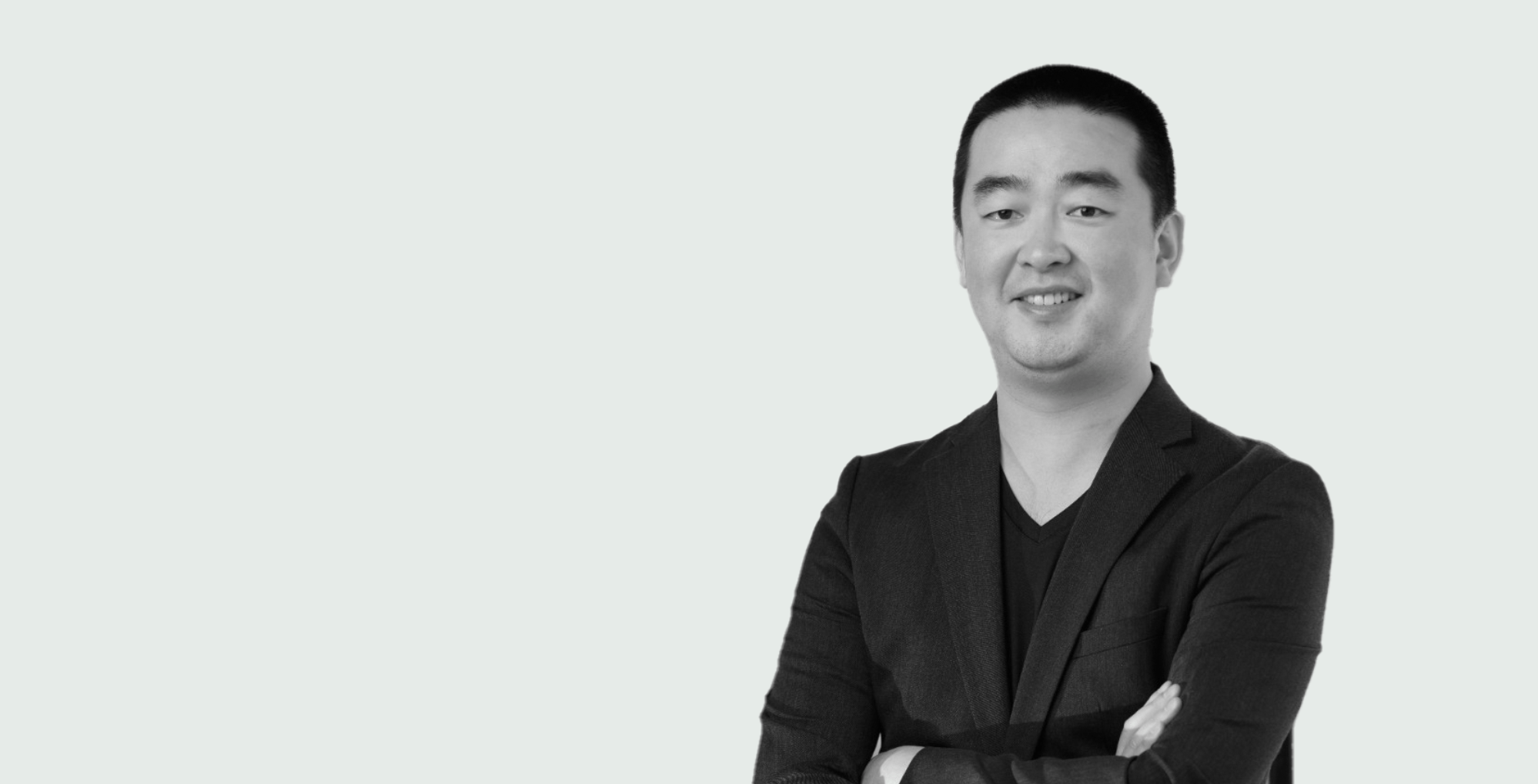
INTERVIEW: JON HU
Hiring for Impact
Leading the country’s first transomic drug discovery company
A conversation with Jon Hu - CEO of Pepper Bio
In this edition of M*A*S*H* (Marketing Advice for Startups in Healthcare), we sat down with Jon Hu, Cofounder and CEO of Pepper Bio – the first transomic drug discovery company. Jon received his MBA at Harvard and BS in Biomedical Engineering and Economics at Northwestern, served as Managing Director of enterprise solutions Guild portfolio company Atidiv and as COO of the tech conference Techweek, before co-founding Pepper Bio. We discuss what drove Jon to become a founder and how he selected the right person with whom to start a company, the inspiration behind Pepper Bio and the importance of hiring people who align with your vision, as well as the benefits of keeping a team lean in the startup ecosystem.
Tell us about the journey that led you to start Pepper Bio. Go back as far as you like.
I’ve wanted to create a startup for a very long time. In kindergarten, one of the most common questions asked is “What do you want to be when you grow up?” If you were to time travel back to my elementary school and look at the answers to that question pasted on the walls, you would see mostly typical responses: firefighter, astronaut, or police officer. But you would always see one that said “business owner” – that was mine.
In an effort to learn English quickly, I read as much as I could on a variety of topics, and in my reading, I learned about Bill Gates and became enamored with his story. Ever since, I’ve wanted to essentially duplicate his life's journey by starting my own company.
On a personal note, having experienced both the joy of receiving life-changing medicine for extreme migraines and the pain of watching my own grandmother’s neurological health deteriorate from Alzheimer’s without access to disease-modifying treatments, I began to get the idea that I wanted to help drug developers pursue cures for untreated diseases.
Those key factors, in coordination with my longtime collaboration and shared vision with Dr. Samantha Dale Strasser, are what led me to co-found Pepper Bio.
And how did you know your partner, Dr. Samantha Dale Strasser, was the right person with which to start a company?
I've known Samantha since undergrad. We were both dual degrees in biomedical engineering, but whereas I was in economics, she chose applied math. We collaborated on a number of projects, including our capstone design project in which we successfully created an early-stage cancer diagnostic tool. During that time, we learned two things: One, we thought very similarly in terms of the types of impacts that we wanted to make on the world and in the magnitude of the dreams that we had. Secondly, we learned that we loved working with each other.
Over time, as we deliberated internally about starting a company together we delved into her research results and we gravitated towards this idea of using informed machine learning across an integrated set of omic layers in order to model biology the way that it's actually happening. That’s how Pepper was born.
Because Sam and I both lost family members to untreatable diseases, we were very adamant that the purpose of Pepper is to create drugs to treat untreatable diseases – not to become rich and famous or to make other people rich. The purpose of Pepper would be to tackle the untreatable illnesses other companies weren't willing to and to help not just the patients, but also prevent their families from going through what we did – watching loved ones suffer without the ability to do anything.
How did your founding team select the early additions to the team? How did those additions help to move Pepper forward?
If you scour through business literature, there are a few different things one can look for when trying to hire the right people:
- You can look at skill set.
- You can look for general intelligence and the ability to learn.
- Or you can hire people with similar visions and motivational drives.
Out of those three, research indicates that you’ll get the best work out of employees who are aligned around a common goal and motivated to do whatever it takes to reach that goal. Based on that information, Samantha and I agreed from the start that we would focus on recruiting people who a) had a lot of reasons to work toward treating untreatable diseases and b) we were extremely excited about.
We made two really phenomenal hires early on, Chris and Caitlin. Both of them had reasons – whether family or personal – for wanting to push forward drug development to treat untreatable diseases. They’ve both worked out phenomenally.
Did you ever hire someone who wasn't right for the team? If so, what were the warning signs and how did you handle?
We did hire one person that just didn’t work out. We really needed someone to help out with platform development, and we found someone we were not super excited by, but we thought could do the job. Throughout the less than year they were with us, they missed deadlines, required a lot of hand-holding or micromanagement, and missed connections that shouldn't have been missed. I attribute that to a lack of vision alignment or the lack of strong drive to make the company succeed.
I think this person fundamentally thought of Pepper as a place to work and get a paycheck and therefore, wasn't willing to go that extra mile that every other person that is currently on our team is willing to go.
Ultimately, we had to let them go, but I want to stress that the decision was good for all parties involved. For us, it meant that we could hire someone who was a little bit more motivated to see Pepper be successful and it allowed them to pursue opportunities outside of the demanding startup environment.
When did you start seeing Pepper’s mission take shape?
The first major milestone was when we signed our first commercial contract. When we started the company, many people said that they wanted stuff like this, but until they are actually willing to pay to get access to it, you just never know. So getting from zero to one was huge.
The second was last December when we signed our first large pharma partnership. Large pharma is typically conservative and risk-averse – they tend to want a lot of things to come into play before they're willing to commit to anything, so convincing one of the largest pharma companies in the world to partner with us offered some major validation that there are believers in our technology.
What are the benefits to keeping a team lean in the early stages of a startup?
Flexibility: You never know when the entire economy might turn south, for example, because inflation is spiraling out of control and everyone expects the Fed to significantly increase interest rates. If you're lean, it gives you the ability to be much more in control of your budget. If we had had a wet lab with three or four scientists and we had to maintain that office space, our ability to adapt to the new economy and cut costs would be low. Whereas because we use a virtual model and outsource a lot of tasks, our fixed costs are low. Our model is just a much more efficient use of capital.
Selectivity: When you first start to lead a team, there's a general assumption that every single person that you add is a net positive contributor, but it's much better to have one superstar than it is to have three or four lackluster people. Not only do they just cost more, they are less productive.
As you expand the Pepper Bio team, what are key qualities you look for in employees to make sure they fit your mission?
- Curiosity: You have a healthy curiosity and are always seeking new information.
- Adaptability: Once identified, you are able to quickly adapt to new information and new perspectives.
- Rationality: We need to adapt in a rational way. We need to follow what the data actually say, as opposed to what we wish for the data to say.
- Dream: Think big – never discount human ingenuity. There are many things we can do now that were in the realm of gods 2000 years ago. Don't limit yourself by setting a low goal.
- Impact: Choose your battles wisely and make sure that they're significant. There are many scientific advances that are cool and interesting, but if it has no impact on human health and on patients' lives, that’s not our focus.
What advice would you give other founders looking to accomplish “impossible” goals with their technology?
I want to emphasize how important the right team is. When we started this journey, if you were to have asked me to weigh the quality of the idea against the importance of the team, I would have given you a pretty even split.
I am now firmly of the belief that it is more like a 99-to-one split. A quality idea is fine, but in order to have a successful company, you need a good team that is motivated, willing to learn and willing to put themselves out there, to experience new things to make mistakes, and to push forward no matter what. Your entire company is your people.
##
A big thanks to Jon for sharing his wisdom and insights. You can with him via Twitter or LinkedIn.
To learn how VSC Adrenaline combines strategic media relations and surgical digital content marketing to empower startups to build credibility and awareness while adhering to regulatory and industry standards, visit us at https://vsc.co/adrenaline/